Challenging weight-bearing practices in lower extremity fractures
An evidence-based symposium examines traditional protocols and new terminology at the West Africa College of Surgeons Annual Conference
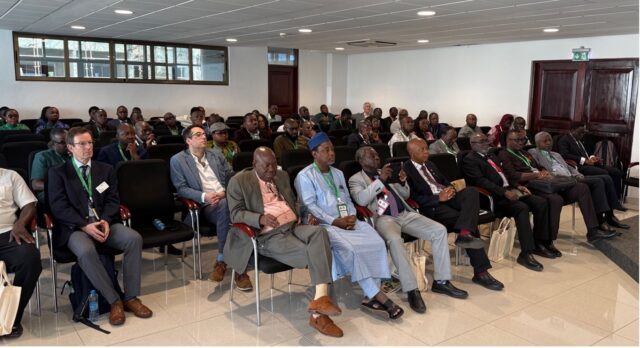
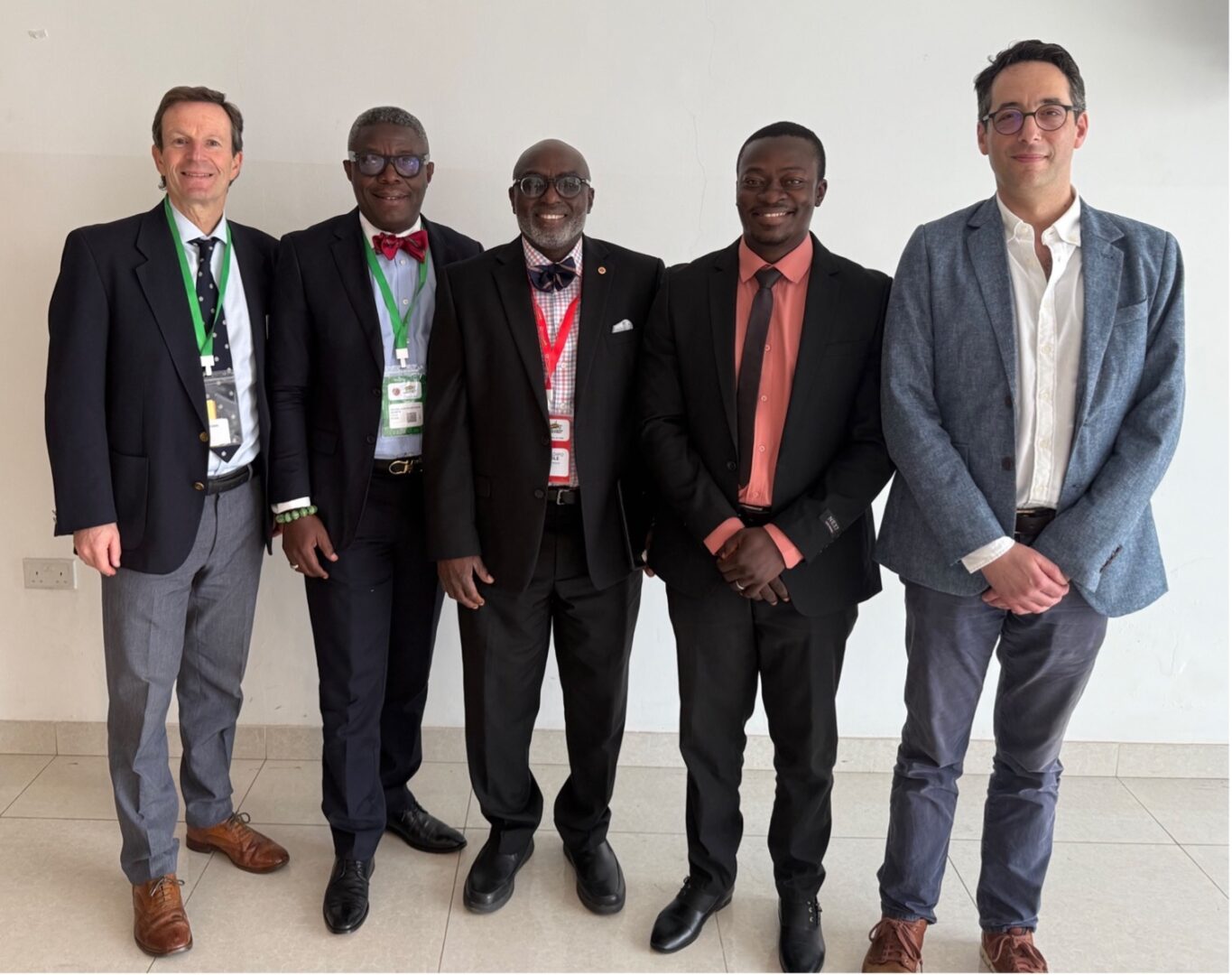
At a packed symposium during the West Africa College of Surgeons (WACS) Annual General Conference in Accra, Ghana on February 8, 2026 four speakers addressed the longstanding practice of prescribing weeks of non-weight-bearing after lower-limb fracture fixation.
Michael Segbefia opened the session with the biomechanics of early loading, arguing that bone healing is not passive but mechanoadaptive — driven by load. Osteocytes rely on forces from weight-bearing and muscle contraction to trigger the signalling cascades that stimulate callus formation. He noted that a “non-weight-bearing” patient still generates substantial fracture-site strain through muscle activation, making true unloading essentially impossible. “The absence of load is not neutral — it is harmful,” he concluded.
Jim Harrison, AO Alliance Africa Advisor, addressed inconsistencies in communication on the matter in the region. Weight-bearing instructions across the WACS region range from “feather-touching” to “20% body weight” — terms that mean different things to clinicians and patients. Harrison introduced the British Orthopaedic Association Standards for Trauma (BOASt) terminology, condensing the spectrum into three categories: non-weight-bearing, limited weight-bearing, and unrestricted weight-bearing. Participants discussed whether these terms could be applied in local clinical settings and languages, and whether standardization might strip away nuance for complex injuries.
Felix Oware Asomaning brought the physiotherapist’s perspective, arguing the profession must evolve from passively following a surgeon’s prescription to actively collaborating on individualized protocols. He presented a decision-making framework built on fracture characteristics, fixation stability, and patient factors, with continuous monitoring to guide progression. The cost of over-protection, he noted, is not safety but harm: atrophy, stiffness, deep vein thrombosis, bone loss, and psychological decline.
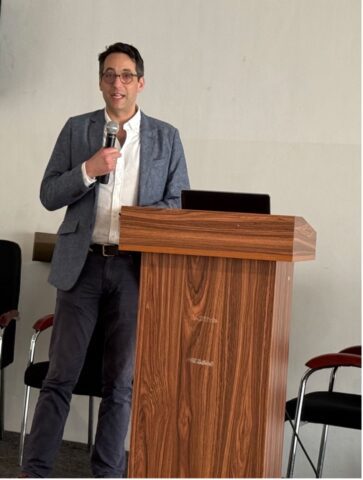
Alex Trompeter of St George’s Hospital London presented randomized controlled trials involving hip, ankle, and femoral shaft fractures to show early weight-bearing consistently matches or outperforms delayed protocols. His three “golden rules” for immediate loading — bone contact, acceptable alignment, and construct stability — offered a practical framework. His stated that “the patient should not leave the OR without an immediate unrestricted weight-bearing construct.”
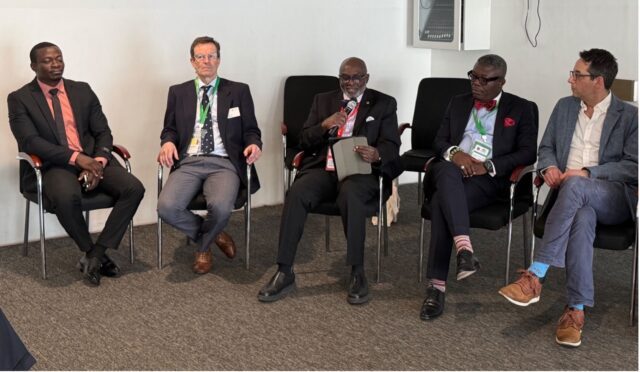
Ladipo Adewole led the panel discussion. Participants debated whether early weight-bearing is more practical in settings where access to follow-up care and mobility aids are limited and where further research is needed, such as for tibial plateau and pilon fractures. Concerns regarding the new terminology remained, with several delegates suggesting the development of a WACS-specific implementation guide.
The symposium highlighted evolving evidence in fracture management and opened up discussions on how best to apply it in clinical practice in the region.