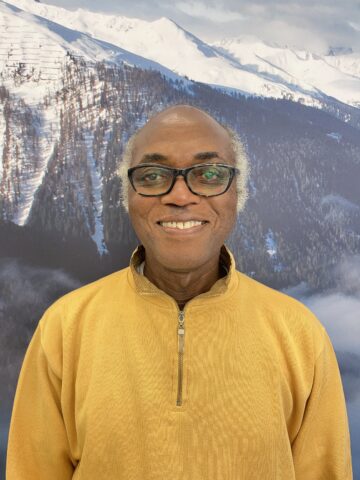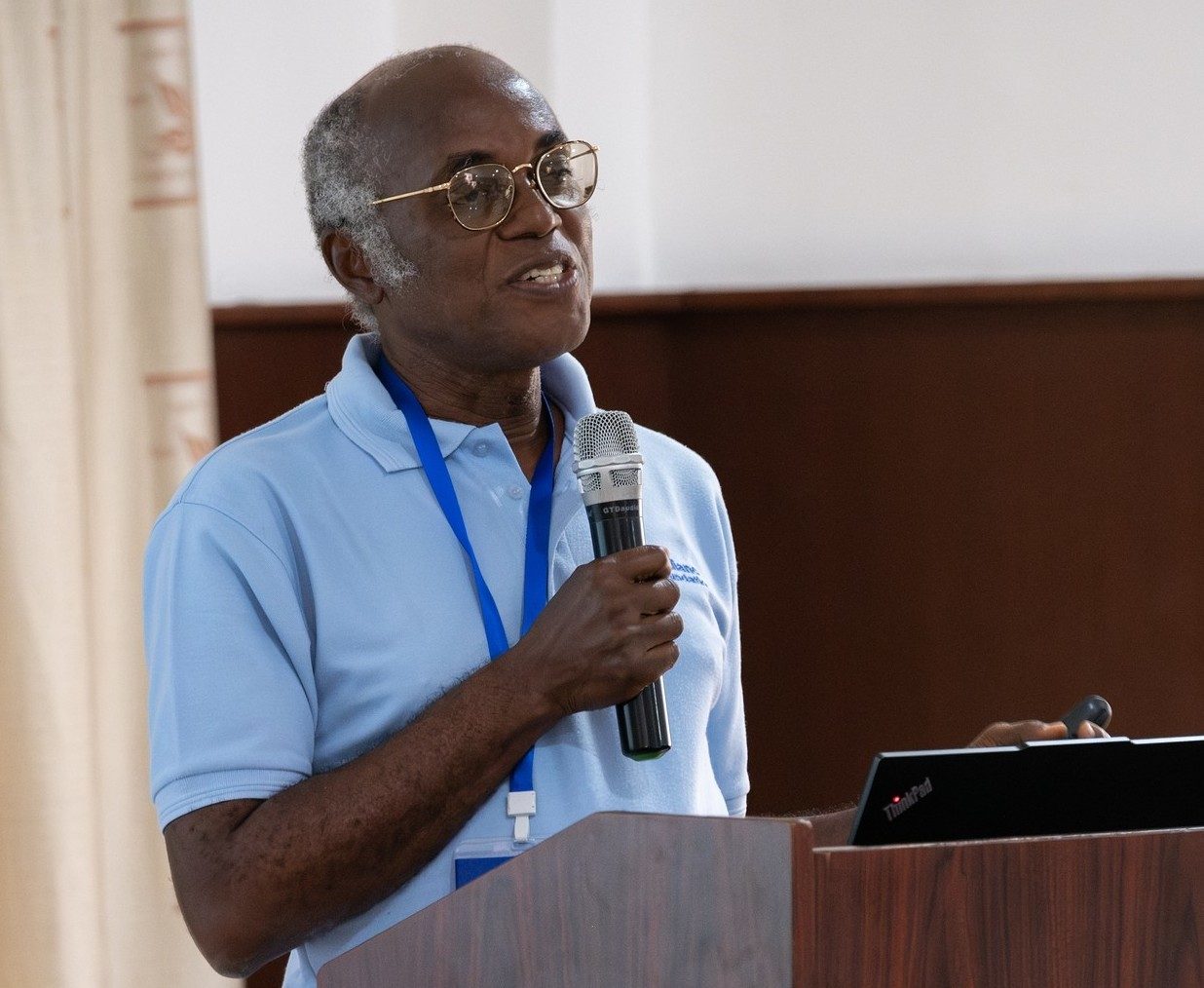
Wilfred Labi Addo and the AO Alliance in Ghana
Wilfred Labi Addo’s career has been closely linked to his work with the AO Alliance. He joined the AO SEC in 2008 and later served as Chair of the AO Alliance Steering Committee for English-speaking Africa from 2015 to 2023. During that period, Ghana’s trauma and orthopedic care system expanded significantly, moving from a severely under-resourced sector to one increasingly recognised as a regional model.
“I was privileged to work alongside all the pioneers who laid the foundation for the establishment of the AO Alliance,” Addo said.
The AO Alliance formally began its work in Ghana in 2015, followed by the launch of the Ghana Country Initiative in 2017. According to Addo, the early years focused on identifying surgeons and operating room personnel (ORP) while also securing support from health ministry officials and hospital administrators to strengthen trauma and orthopedic services.
“The emerging trauma burden on the continent demanded action,” he said.
Since then, trauma and orthopedic training capacity in Ghana has grown considerably. Residency intake increased from two trainees in 2017 to 97 in May 2026 under a structured six-year training program overseen by a faculty board at the Ghana College of Physicians and Surgeons. The number of training centres expanded from two to seven nationwide, including centres in Tamale and Cape Coast. Reverse fellowships, which brought surgeons from the UK to support local faculty training, also contributed to the initiative’s development.
In 2020, the Trauma and Orthopedics Technician Program was established at St John of God Hospital in Duayaw-Nkwanta, Kumasi. Described as the first of its kind in West Africa, it trains secondary school graduates as plaster casting technicians for fractures. The program received approval from the ministry of health and accreditation bodies and includes support for graduate job placement.
Addo also supported public outreach initiatives aimed at raising awareness about injury prevention and treatment. These included radio campaigns, WhatsApp outreach, and a journalism award event. In April 2021, Dominic Konadu-Yeboah launched the Traditional Bonesetting Program, which aims to provide structured training for traditional practitioners in an effort to improve patient safety and avoid catastrophic complications.
Addo identifies his proudest achievement as: “Providing unique opportunities for the training and development of surgeons, ORPs, and technicians across Africa, who are now national leaders in their respective fields and champions of AO principles.”
Ghana’s trauma and orthopedic sector has continued to expand in recent years. In September 2025, the AO Alliance hosted its first Trauma Summit in Accra, bringing together surgeons, researchers, and policymakers from 29 countries. The summit introduced the ACTIONS Clinical Guidelines, a set of evidence-based protocols developed for low-resource settings and endorsed by leading African surgical colleges.
Looking back on the journey, Addo expressed appreciation for the opportunity to contribute to the field’s growth across the continent. “I am very thankful to the AO Alliance for giving me the opportunity to bring things that far and advance the journey to reduce complications across the continent,” he said.